Home / Compare

ConnectBooks vs Synder

The Synder alternative that also tracks your inventory.

Both sync your sales to QuickBooks or Xero. ConnectBooks is built for ecommerce inventory: it tracks your stock and costs every sale at FIFO with landed cost, so your profit per SKU is right.

★★★★★Rated 5 stars on Amazon, Google and Intuit
  • Keep QuickBooks Online, Desktop, Enterprise or Xero
  • Every payout ready to match to the deposit, in QuickBooks or Xero
  • A pro bookkeeper sets it up with you 1:1 on Gold and Platinum
At a glanceChecked Nov 9, 2026
ConnectBooks
Synder
Built for
Ecommerce sellers
Payments, ecommerce and SaaS
Cost of goods
FIFO, with landed cost
Unit cost you enter
Inventory value
FBA, AWD, WFS, 3PL and warehouses
Not described in Synder’s docs
Profit by SKU
Included
Synder Insights, priced separately
Temu
Yes
Not listed

Summary

The short answer.

Synder is a broad accounting sync for payment processors, stores and SaaS. ConnectBooks is built for ecommerce sellers, with inventory, FIFO cost of goods and profit by SKU in one platform.

Choose Synder if

  • You run many payment processors, like Stripe, PayPal and Square, and want them all in one ledger.
  • Your books are in NetSuite, Sage Intacct or Intuit Enterprise Suite.
  • You’re a SaaS business that needs revenue recognition.
  • You want order-by-order posting.

Choose ConnectBooks if

  • You sell physical products and want cost of goods at FIFO with landed cost.
  • You hold stock in FBA, AWD, WFS, a 3PL or your own warehouse.
  • You want net profit by SKU in the same platform as your books.
  • You sell on Temu. ConnectBooks is the only Temu to QuickBooks integration on the market.

Proof

Sellers who got their time back.

75% less time on bookkeeping
“We gained back three out of every four hours we used to waste on bookkeeping manually. Now we use that time to up our sales and margins.”
Esti Szegedin, CEO and Founder, Exponent Management
$20B+a year runs through ConnectBooks
5,000+sellers
99.97%customer satisfaction
★★★★★on Amazon, Google and Intuit

Stack

Three subscriptions, or one.

Synder Sync posts your sales, and Synder Insights is a separate product for analysis. For FIFO and landed cost, you’d add an inventory app. ConnectBooks does all three.

The Synder setup3 tools

1
Synder SyncSales to your books, priced by transaction volume
2
Synder InsightsProduct reports, priced separately
3
An inventory appFor FIFO and landed cost, which Synder’s docs don’t describe

Synder’s site describes Insights as a “stand-alone solution for data analysis”.

ConnectBooks1 platform

PayoutsEvery store, ready to match to your bank deposit
InventoryFIFO with landed cost, across every warehouse
Net profit by SKUAfter fees, ads, refunds and cost of goods

One login, one bill, synced to QuickBooks or Xero.

Compare

ConnectBooks vs Synder, feature by feature.

Feature
ConnectBooks
Synder
Accounting
QuickBooks Online and Xero
Direct sync
Direct sync
QuickBooks Desktop and Enterprise
Direct sync through the QuickBooks Web Connector
QuickBooks Desktop from the Essential plan, with email support. Enterprise isn’t named
NetSuite, Sage Intacct
Not offered
Supported
Payout matched to the deposit
Every payout, in QuickBooks or Xero
Amazon, eBay, Shopify and Stripe, into QuickBooks Online, Sage Intacct or NetSuite
Cost of goods
Costing method
FIFO, per unit sold
A unit cost you enter or upload. FIFO isn’t described in its docs
Landed cost: freight, duties and tariffs
Included on Platinum
Not described in Synder’s docs
Inventory
Stock value across FBA, 3PL and warehouses
Included on Platinum
Not described in Synder’s docs
Inventory aging and reorder timing
Included on Platinum
Not described in Synder’s docs
Profit
Net profit by SKU
After fees, ads, refunds and cost of goods
Product reports in Synder Insights, a separate product
Channels
Amazon, Shopify, eBay
Yes
Yes
Walmart and TikTok Shop
Yes
Premium integrations, on higher plans
Temu
Yes, the only Temu to QuickBooks integration
Not listed
Stripe, PayPal, Square and 30+ more
Not listed
Yes
Setup and pricing
Setup
Free 1:1 setup with a pro bookkeeper on Gold and Platinum
Self-guided on lower plans. Mapping help from the Pro plan
Pricing
One plan for all your stores, by monthly orders, from $24/month
Tiers by synced transaction volume

Synder details from synder.com, its pricing page and synder.com/help, checked November 9, 2026. Synder is a trademark of its owner. Features change, so check Synder’s site for its current plans.

Inventory

See what your stock is really worth.

ConnectBooks values every unit at FIFO, with freight, duties and tariffs built into its cost. You see what you hold, where, and how long it’s been sitting.
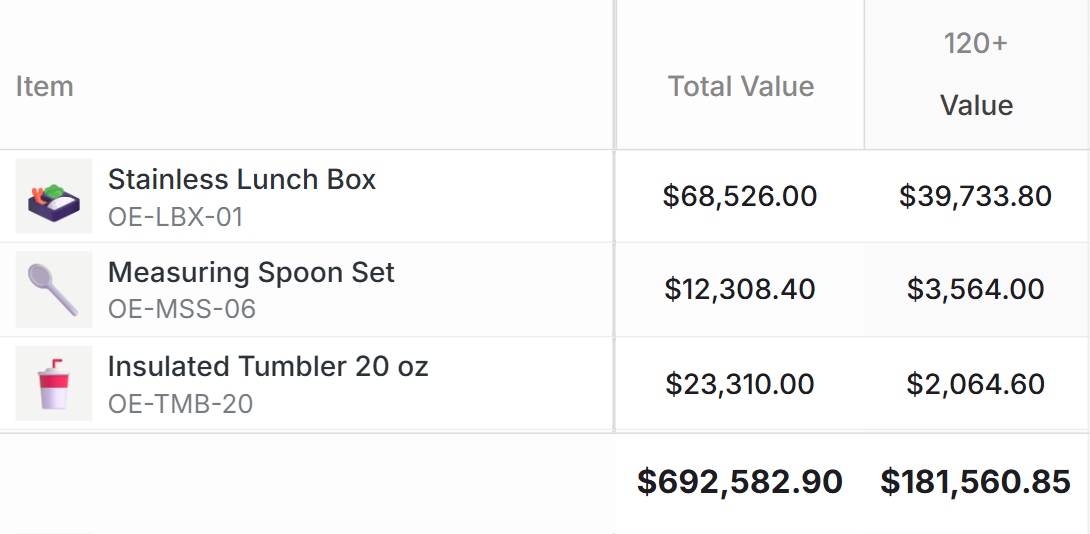
  • Stock across FBA, AWD, WFS, 3PL and your own warehouses
  • Aging buckets, so slow movers show up early
  • Cost of goods posted to QuickBooks or Xero with every sale
Example data
ConnectBooks inventory aging report: Stainless Lunch Box worth $68,526, with $39,733.80 held more than 120 days

Profit

Find the SKUs that lose money.

Net profit for every SKU, after fees, ads, refunds and FIFO cost of goods, in the same platform as your books.
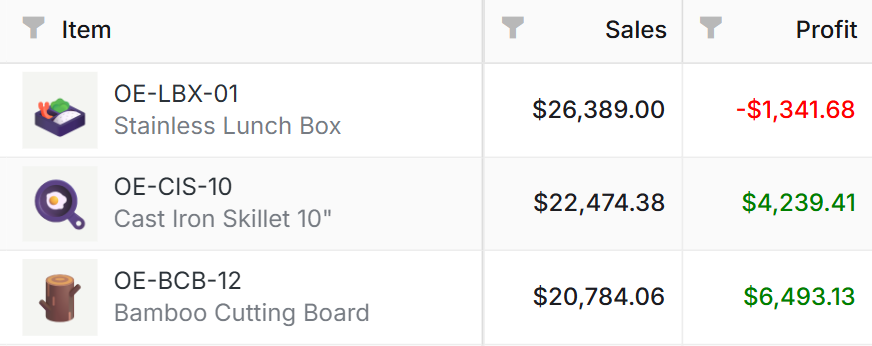
  • Profit by SKU, channel and month
  • Ad spend counted, not left in a separate tool
  • No second subscription for analytics
Example data
ConnectBooks profit by SKU: Stainless Lunch Box sold $26,389 but lost $1,341.68

Switching

Switch from Synder without breaking your books.

Try it alongside Synder.

Start your free 30-day trial and compare a few payouts side by side. Cancel Synder only when you’re sure.

We rebuild your mappings.

A pro bookkeeper maps your accounts to match how your books already work.

Bring your SKU costs.

Upload your SKU costs by CSV. No retyping your catalog.

Pick the date we take over.

You choose which payouts post, so nothing posts twice. Your past Synder entries stay as they are.

Questions

ConnectBooks vs Synder FAQ.

What’s the difference between ConnectBooks and Synder?

Synder is a broad accounting sync for payment processors, stores and SaaS. ConnectBooks is built for ecommerce sellers: it tracks your inventory, costs every sale at FIFO with landed cost and shows net profit by SKU, synced to QuickBooks or Xero.

Does Synder use FIFO for cost of goods?

Synder’s help center says cost of goods is calculated when product costs exist, from costs you enter or upload. Its docs don’t name FIFO or landed cost. ConnectBooks costs each unit sold at FIFO, with freight, duties and tariffs included.

Does Synder track inventory value?

Synder syncs inventory items and posts cost of goods. Its docs don’t describe inventory value across FBA, 3PLs or warehouses, or inventory aging. ConnectBooks tracks both on the Platinum plan.

Can I switch from Synder without changing months I’ve already closed?

Yes. Everything Synder already posted stays as it is. You choose the first payout ConnectBooks posts, so nothing posts twice, and you can run both side by side during your free 30-day trial.

Does ConnectBooks work with QuickBooks Desktop?

Yes. ConnectBooks syncs to QuickBooks Online, QuickBooks Desktop and QuickBooks Enterprise, and to Xero. Desktop and Enterprise connect through the QuickBooks Web Connector.

Your books, inventory and profit — finally in sync.

See your own payouts, stock and SKU profit in ConnectBooks, set up with you by a pro bookkeeper.